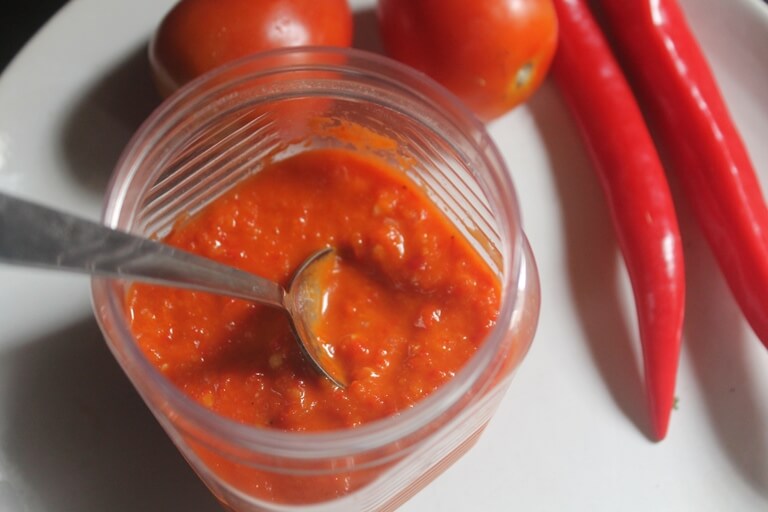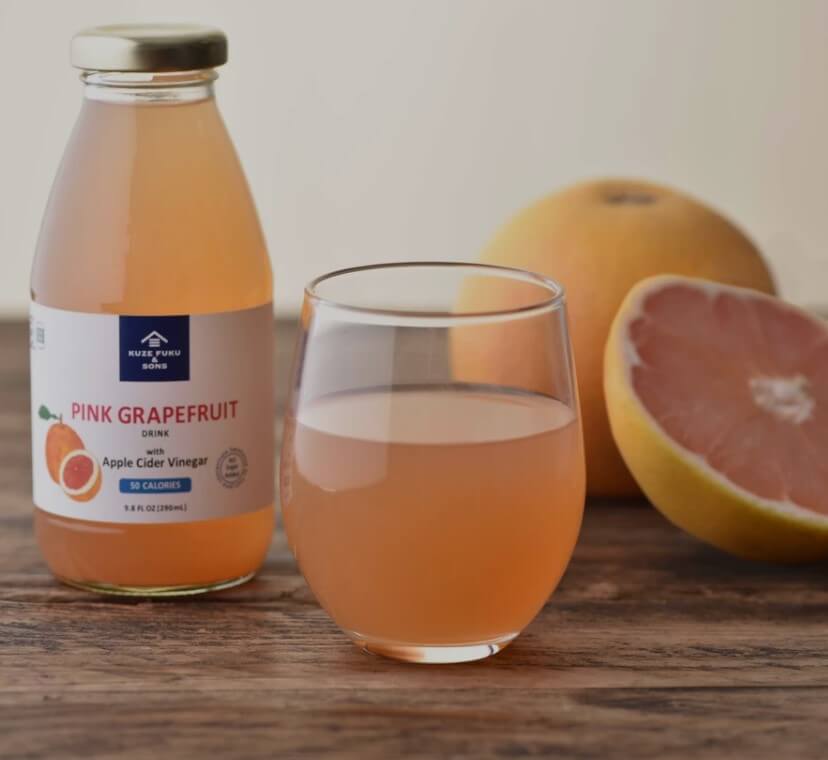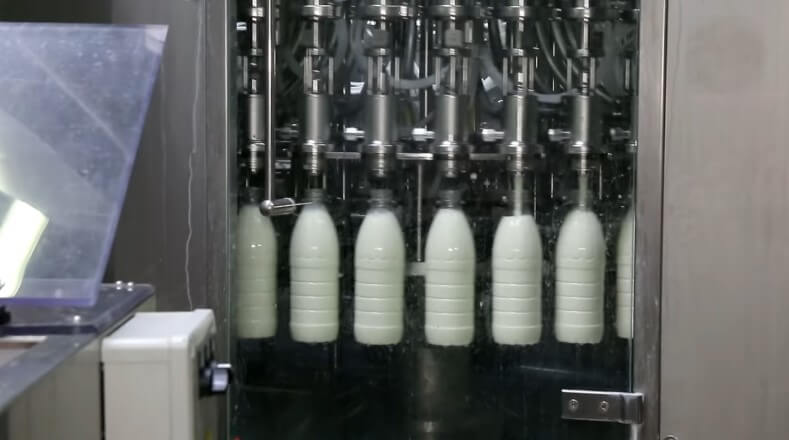
Juice Production Line
Juice Production Line Description
- The reconstituted juice production line, also known as a juice repacking line, uses fruit and vegetable juice concentrates or purees as raw materials. The concentrates or purees are blended with water, sugar, flavors, and other ingredients to produce ready-to-drink juice beverages.
- The capacity of the juice processing line can be 500LPH-15000LPH, and the end products can be filled into small bottles, pouches, tin cans or cartons according to client requirements.
- A complete reconstituted juice processing line includes a sugar dissolving system, juice blending system, homogenization and degassing system, pasteurization/UHT sterilization system, filling and packaging system, and CIP cleaning system.
- The ingredients that can be added to beverages include sugar, milk, coffee powder, flavors, fruit and vegetable juice blends, vitamins, minerals, herbal extracts, emulsifiers, acidulants, and other functional ingredients, depending on the product formulation.
- The blended juice usually adopts primary plate or tubular pasteurizing + hot filling + secondary tunnel hot water spray pasteurization technology to extend the juice’s shelf life.
- All processing equipment is manufactured with food-grade SUS304/SUS316L stainless steel and CIP-compatible design, ensuring food safety, easy cleaning, and reliable juice production.
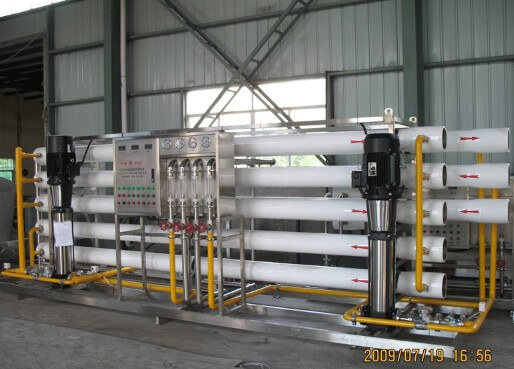
- The auxiliary equipment for the juice processing line includes a reverse osmosis (RO) water treatment system, CIP cleaning system, steam boiler, air compressor system, cooling water system, and electrical control system. The RO system provides purified water for juice dilution and powder dissolving. The CIP system is used for cleaning tanks, pipelines, and filling systems. The steam boiler supplies steam for heating and sterilization. The air compressor provides compressed air for pneumatic components. The cooling water system provides cooling during processing, and the electrical control system enables automatic operation and monitoring of the entire production line.
Technological Flowchart For Reconstituted Juice Production Line

End Products And Package Of Juice Production Line
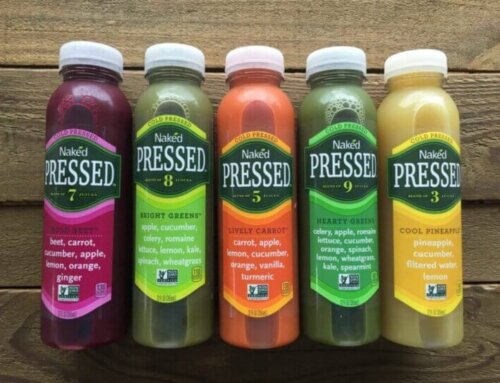
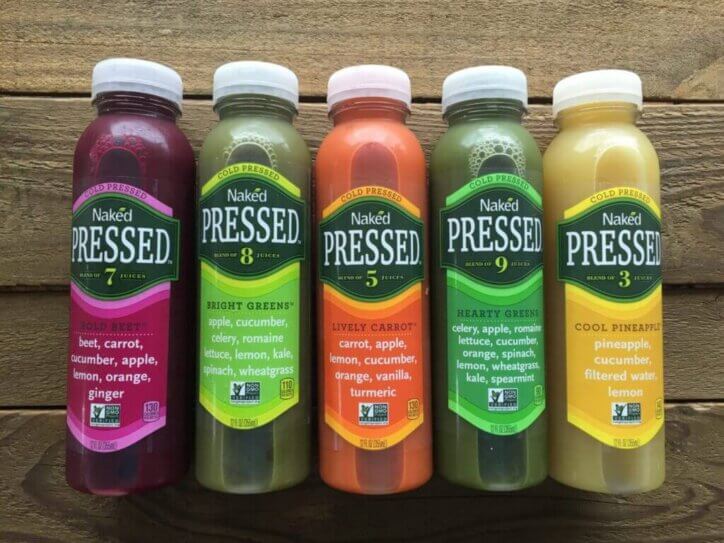
100% NFC juice drinks: Use non-concentrated fruit juice, puree, or fresh fruit as raw materials. The juice is produced without concentration and reconstitution processes. Sugar or water may be added depending on the product formulation.
Mixed Juice Drinks: Use single or mixed fruit juice concentrates as raw materials, then blend with water, sugar, flavors, and other ingredients to produce ready-to-drink juice beverages. The fruit content is generally above 10%.
Fruit Nectar Drinks: Contain fruit pulp with a typical fruit content of 30%-50%. They have a thicker texture and higher viscosity, such as mango nectar and peach nectar.
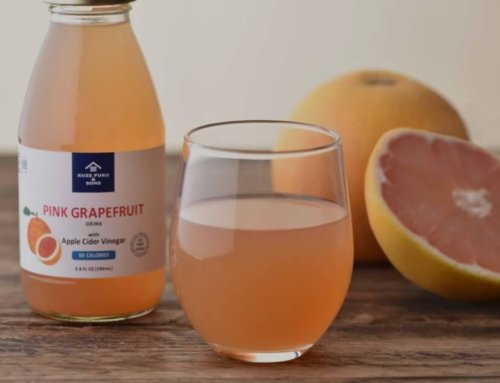
Fruit Flavor Drinks: Use purified water as the main ingredient, with a small amount of fruit juice or fruit flavor combined with sweeteners and other ingredients to create flavored beverages.

Key Machine Of Juice Production Line
Hot water preparation system
The hot water supply system is an important auxiliary system in the juice and beverage processing line. It consists of a plate heat exchanger, hot water tank, circulation water pump, and steam valve group. The system is designed to heat purified RO water to approximately 80-90°C and provide a stable supply of hot water for the sugar/powder dissolving tank and blending tank.
Hot water is used to accelerate the dissolution of sugar, powders, and other ingredients, improve mixing efficiency, and ensure a uniform beverage formulation. The system can be equipped with automatic temperature control to maintain stable hot water temperature during production.
The product-contact parts are manufactured from food-grade SUS304 stainless steel to meet hygienic production requirements. The heating method can be customized according to factory utilities, including steam heating through a plate heat exchanger or electric heating through an electric heater.
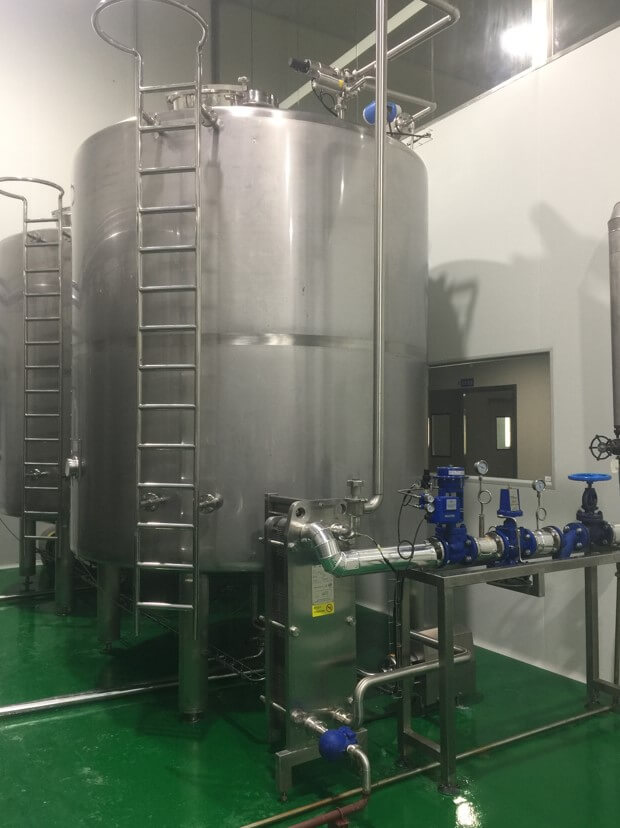
Juice blending tank system
The blending tank, also known as a mixing tank, is widely used for fruit juice and beverage preparation. According to different processing requirements, it can be designed as a single-layer mixing tank, double-layer insulated mixing tank, or triple-layer heating/cooling mixing tank for hot or cold mixing applications.
During the blending process, concentrated juice/puree, dissolved powder ingredients, and purified RO water are thoroughly mixed to achieve the required formulation, Brix level, and final product volume. The final taste and flavor profile are also developed during this stage through uniform mixing of all ingredients.
The standard configuration of the blending tank includes a product inlet and outlet, sanitary airtight manhole, anti-vortex device, air vent, thermometer, temperature sensor, agitator (paddle, anchor, propeller, or frame type), sampling valve, and CIP spray ball. The tank is manufactured using food-grade SUS304 or SUS316L stainless steel, with the product-contact parts designed to meet hygienic production requirements.
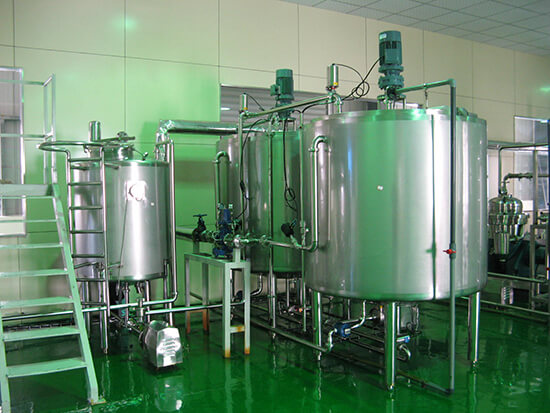
High shear dissolving tank
Juice and beverage manufacturers can use a high-shear dissolving tank to dissolve and disperse difficult-to-dissolve powders, solid ingredients, and high-viscosity liquid additives according to the product formulation.
The high-shear dissolving tank is widely used for dissolving sugar, acidulants, sweeteners, emulsifiers, milk powder, starch, stabilizers, colloids, and other functional ingredients with high efficiency. The high-speed rotor-stator mixing system creates strong shear forces, accelerating dissolution, improving dispersion, and ensuring a uniform ingredient solution.
The agitator speed can be adjusted between 1,450 and 2,900 rpm according to different product requirements. The equipment is available in bottom-mounted high-shear type and top-mounted high-shear type designs.
For applications requiring large quantities of powder dissolution, especially when the powder processing capacity exceeds 3-5 tons per hour, a high-speed water powder mixer is recommended due to its higher mixing efficiency and continuous processing capability.

Juice homogenizing, degassing and pasteurizer/sterilization unit
The blended juice is first heated to approximately 50–70℃ for homogenization (10-25Mpa, two-stage homogenization). Homogenization reduces particle size, improves dispersion, prevents phase separation, and enhances beverage stability. After homogenization, the juice undergoes vacuum degassing to remove dissolved oxygen and reduce oxidation.
The juice is then pumped through a heat exchanger and heated to approximately 95–98℃, with a holding time of 15–60 seconds for pasteurization. The selection of the heat treatment system depends on product viscosity and particle content. Plate-type pasteurizers are commonly used for clear fruit juices with low viscosity, while tubular sterilizers are preferred for fruit nectars, purees, and pulp-containing juices due to their ability to handle higher viscosity and suspended particles.
For hot-filled fruit juices, pasteurization is usually sufficient because most fruit juices are naturally acidic (typically pH below 4.0), which helps inhibit the growth of many microorganisms. The combination of heat treatment and hygienic filling provides stable shelf life under proper storage conditions.
For products requiring aseptic filling and extended shelf life, a UHT sterilization process is applied, typically using higher temperatures for a short holding time. Therefore, the required sterilization temperature depends mainly on the product characteristics, packaging method, and target shelf life.

Juice filling machine system
After pasteurization or sterilization, juice beverages should be filled into containers promptly to minimize microbial contamination and oxygen exposure. The most common packages for reconstituted juice drinks are PET bottles and glass bottles, while some manufacturers also use pouches, cans, or other packaging formats depending on market requirements and consumer preferences.
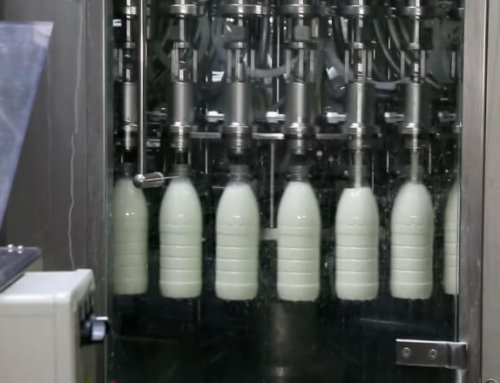
For PET and glass bottle packaging, hot filling at approximately 85–95℃ is commonly used. After filling, the containers are immediately sealed to prevent contamination and reduce oxygen exposure. Vacuum formation during cooling or nitrogen dosing technology can be applied according to packaging requirements to improve product stability and shelf life.
For juice products packed in aseptic cartons, the juice must be processed by UHT sterilization and then filled under aseptic conditions into sterile carton packages. Since the filling environment and packaging are already sterile, no additional pasteurization or sterilization process is required after filling.

Secondary pasteurizer for package juice
For hot filling juice production processes, a post-pasteurization process is applied after filling to further improve product safety and shelf-life stability. Although the pre-filling pasteurization step reduces pathogenic and spoilage microorganisms, additional heat treatment after filling can help control potential contamination from packaging materials, caps, or the filling environment.
The packaged juice is heated using 95–98℃ hot water spray or hot water immersion for a certain holding time (typically 20–30 minutes depending on the product and package size), and then gradually cooled to room temperature before date coding and packing.
Two types of pasteurization cooling tunnels are commonly used. For PET bottles, glass bottles, and cans, a spray-type pasteurization cooling tunnel is usually applied. For pouch-packed juice products, a water-bath pasteurization cooling tunnel is commonly used.

CIP system for juice repacking line
A Clean-in-Place (CIP) system is an essential component of a juice production line to ensure proper cleaning and sanitization of equipment. CIP systems are designed to automate the cleaning process, it can significantly save time and labor while maintaining hygiene standards.
CIP system is used for cleaning all the tanks and pipelines and filling machines in the juice dilution line. The tank number and cleaning pressure routes will depend on the capacity of the juice production lines. Basically, single to five-loop cleaning pressure lines can be chosen. The tank number is also from 3 tanks to 5 tanks available(alkali tank, acid tank, hot water tank, clean water tank, water recovery tank).

RO water treatment system
RO water treatment system is an important auxiliary system in the reconstituted juice processing line. The reverse osmosis process removes dissolved salts, impurities, and unwanted substances from raw water to provide high-quality purified water for beverage production.
In a juice blending process, water is usually the largest component of the final product, often accounting for more than 50% of the formulation. Therefore, the quality of process water directly affects the taste, stability, and overall quality of the finished juice beverage.