RTD Tea Drinks Processing Line
RTD Tea Drinks Processing Line General Description
- RTD(Ready-to-Drink) Tea refers to tea drinks made by soaking tea leaves in water through extraction, filtration, clarification and other processes, or adding water, sugar liquid, sour agent, food flavor, fruit juice or plant (grain) extract to the tea juice. The finished product has the unique flavor of tea, contains natural tea polyphenols and other active ingredients of tea, and has nutrition and health benefits. It is a multi-functional beverage for cooling and quenching thirst.
- The RTD tea processing line capacity ranges from 500L/H to 18000L/H, the end products can be filled into bottles, cans or cartons.
- Raw materials can be dry green tea, black tea, oolong tea, flowers, herbs and other plants. Normally 1kg fresh dry tea leaves can produce 100L-250L tea drinks according to different brewing processes, and the desired strength of the final tea drinks.
- Commercial RTD tea drink production typically involves extracting tea juice from fresh tea leaves, filtering the solids in tea juice, blending and processing them with other ingredients such as water, sugar, and flavorings, pasteurizing/sterilizing the mixture, packaging it in bottles or cans, and distributing it to retailers for sale to consumers.
- The RTD tea drinks production line configuration is flexible, and equipment with different functions can be realized according to the customer’s different final product requirements
- Cold brew tea extraction is carried out at a moderate temperature of 40–50℃, which helps maximize the retention of tea aroma, nutrients, and delicate flavor compounds while achieving good extraction efficiency.
- The complete production line is designed with an automatic control system to improve production efficiency and ensure stable operation. The modular design allows different processing technologies to be combined according to specific product requirements.
- The entire processing line is equipped with a CIP (Cleaning in Place) system, enabling efficient cleaning of equipment and pipelines while reducing manual operation and ensuring hygienic production.
- All product-contact parts are manufactured from SUS304/SUS316L stainless steel, fully complying with food hygiene and safety standards for beverage production.
RTD Tea Drinks Processing Line End Products and Packages
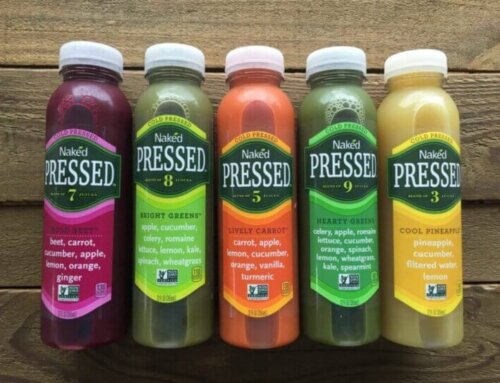
Pure RTD tea beverage: Beverage made by extracting tea juice from fresh tea leaves, adding plant or grain extracts, syrups, sour agents and other ingredients to the tea drinks, after mixing and sterilizing, then filling into small bottles or tin cans.
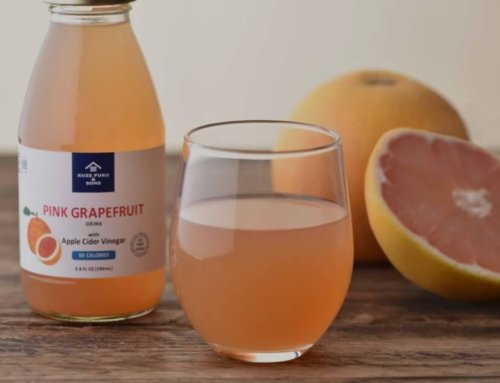
Fruit juice or milk RTD tea beverage: Add the original fruit juice, concentrated fruit juice or milk, sugar liquid, spices, acidulant and other auxiliary materials to the tea extract, and fill it into the carton or bottle container after mixing and sterilizing.
Bubble tea drinks: also called Boba tea, are tea-based drinks that originated in Taiwan. They are composed of tea, milk, pre-made Tapioca Pearls(Boba), sugar, and flavors. The bubble tea drinks manufacturing process involves brewing tea base, preparing and cooking pearls, mixing tea base, milk, pearls, and flavors in the mixing tank, and then after sterilizing the drinks, filling them into cups, cans or bottles.
Soda-type RTD tea beverage: A tea beverage prepared by adding tea extract as the main ingredient, adding CO2, spices and other ingredients, it is a common carbonated tea beverage.
Health-care functional RTD tea beverage: It is made with tea extract or tea polyphenols as the main material, adding Chinese herbal medicine, plant raw materials (ginseng, wolfberry, turmeric, etc.) or nutritional fortifiers, then after mixing, sterilizing, then filled into bottles, cartons or cans.
Fermented tea beverage: Most of the typical fermented tea beverage is kombucha, which is a fermented beverage made from brewed tea and sugar.
Instant tea beverage: The fresh tea leaves after extracting, filtration, concentrating and drying to make into the instant tea powder, and filling into small packages.

RTD Tea Drinks Processing Technological Flowchart
Fresh tea leaves as raw materials: Fresh dry tea leaves are fed into the tea extraction system, where hot water extraction is carried out to obtain tea extract. The extracted tea liquor is then cooled from approximately 85–90℃ to around 55℃ through a plate heat exchanger. After cooling, the tea extract is transferred to a centrifuge separator to remove fine tea particles, insoluble solids, and suspended impurities, producing a clarified tea extract. The clarified tea extract is then blended with purified water, sugar syrup, citric acid, flavors, and other ingredients according to the product formulation. The blended tea beverage may undergo homogenization (if required), degassing to reduce dissolved oxygen, and UHT sterilization to ensure product safety and shelf stability. Finally, the finished RTD tea beverage is filled into bottles, cartons, cans, or other suitable packaging formats.

Key Machine of RTD Tea Drinks Processing line
Tea leaves extracting tank
The tea extraction system is a process of soaking drying tea leaves or herbs in pure water at 55°C to 95°C (depending on different process conditions), and then extracting the active ingredients in the tea leaves and separating them into tea soup. The control of hot water temperature, the ratio of tea to water, the extraction time and frequency, and the separation and clarification of tea soup are the key points of this system.
SUS304 material basket type jacketed extraction tank with agitator, temperature sensor, stainless steel hanging basket and electric hoist. Put the fresh tea leaves into the extraction basket and using deionized pure water at 85-95℃holding for 10-15 min, then use a cloth bag filter to filter out the tea residue, we will get the tea extract; But when we make cold brew tea drinks, the tea extraction process is cold extracted, so we will use the vacuum extraction tank, the extracting temperature is much lower than hot extracting about40-50℃, with the vacuum tea extracting, the tea juice nutrient, flavor and color are kept at the maximum extent. Tea and water ratio: primary extraction ratio: 1:9~12; secondary extraction ratio: 1:7~8.
The pore size of the tea extraction basket is usually between 0.2 mm and 2 mm. The fine pore size (0.2-0.5 mm) is suitable for fine tea leaves or broken tea, preventing tea residue from entering the tea soup. The larger pore size (1-2 mm) is suitable for large-leaf tea or whole-leaf tea, allowing the tea leaves to fully expand in the water.
When the basket-type extraction tank is working, the tea leaves are first put into the basket, and then the basket is moved into the extraction tank with an electric hoist. After the extraction process is completed, the basket is lifted out of the tank by the electric hoist, and then the tea leaves are unloaded manually.

The other popular tea extraction tank is the straight-type bottom-opening extraction tank, the extracting tank can be used for positive, negative, and atmospheric pressure extraction, pneumatic stirring, and material discharge, it is high efficiency and fully automatic, saving labor.

RTD Tea drinks centrifuge separator
Before the tea extract enters the centrifuge separator, it is usually pre-filtered by a vibrating sieve filter or double filtration system to remove large particles and impurities. The filter mesh size is typically selected between 100–200 μm. After pre-filtration, the solid content in the tea extract is reduced to approximately 0.5–1%, preparing the product for further clarification by a disc centrifuge.
The disc centrifuge separator is mainly used to remove fine insoluble particles, tea powder, and tea cream from the tea extract. The separation efficiency should not only focus on removing impurities but also on minimizing the loss of valuable components such as tea polyphenols. Since tea polyphenols are sensitive to oxidation, the separation process is carried out in a fully enclosed system to reduce oxygen exposure and maintain the color, aroma, and quality of the tea extract.
This disc separation process is also known as fine filtration of tea beverages. The main purpose of the centrifugal separator is to remove impurities after tea juice extraction. The centrifuge rotation speed can reach 5890r/min, when the material liquid passes through the machine, the centrifugal effect produced by the high-speed rotation is used to separate the water-insoluble impurities and discharge them from the material liquid.

RTD Tea drinks ultrafiltration system
The membrane separation technology can be used in RTD tea drinks processing plants to produce concentrated clear tea extract from 2 Brix to 12 Brix.
- The pore size of the ultrafiltration membrane is 1000Da-50 nm, which can remove impurities such as macromolecular dissolved substances and colloids in tea beverages. The permeate is clear and transparent, and it is not easy to precipitate and become turbid after cooling;
- The ultrafiltration membrane removes impurities, and the permeate is clear and transparent, which improves the purity and quality of tea polyphenols and improves the product yield;
- The membrane concentration process belongs to low-temperature concentration, and the operating temperature is less than 50℃, which can retain the tea aroma and make the product have good color, aroma and taste;
- The degree of automation is high, and it adopts PLC plus inverter control, which is simple and convenient to operate;
- The membrane element adopts imported membrane elements, which have a long service life and do not need to be replaced frequently.
- The tea beverage has no sedimentation or turbidity, and the “tea cheese” phenomenon(tea polyphenols and caffeine) will not appear.

RTD Tea drinks mixing tank
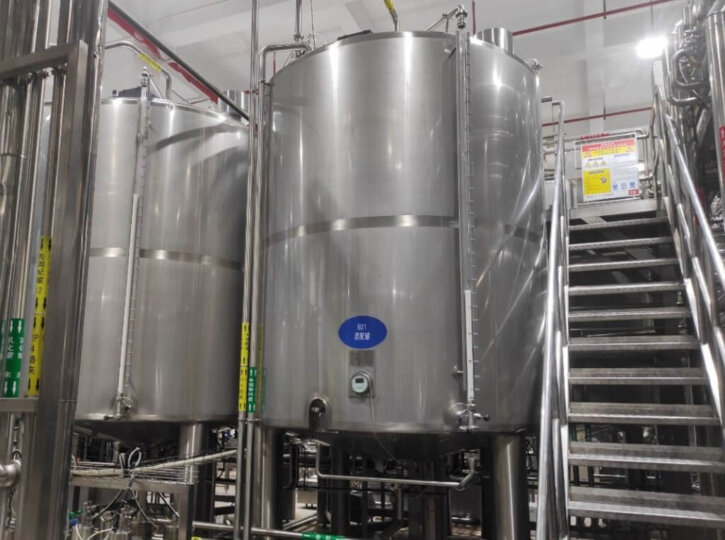
The mixing tank is used to blend purified water, tea extract, citric acid, fruit juice, milk, sodium citrate, sucrose, flavors, and other ingredients according to the product formulation. The agitator ensures complete mixing and uniform dissolution of all ingredients. Clarifiers and stabilizers can be added during the blending process, and the pH value is adjusted according to product requirements.
To minimize tea polyphenol oxidation and color changes, the headspace of the mixing tank can be protected with CO₂ or nitrogen during agitation, reducing oxygen exposure. The agitation speed is typically controlled below 50 rpm to achieve gentle mixing while preventing excessive air incorporation and foam formation.
RTD Tea drinks homogenizer, degasser and sterilizer

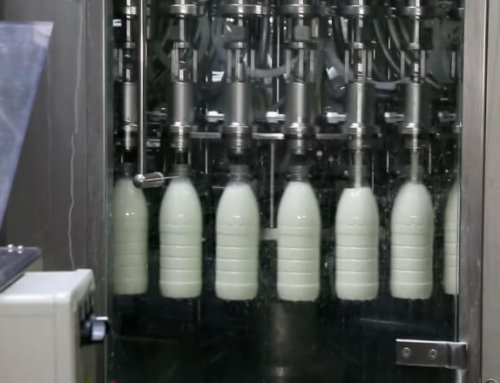
RTD Tea Drinks filling machine
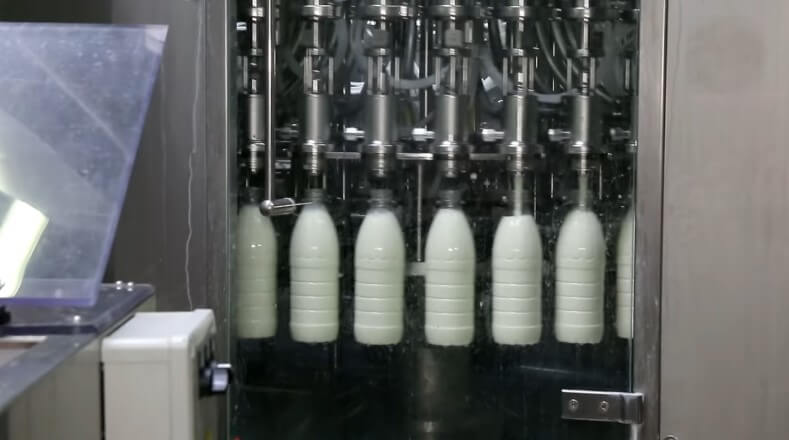
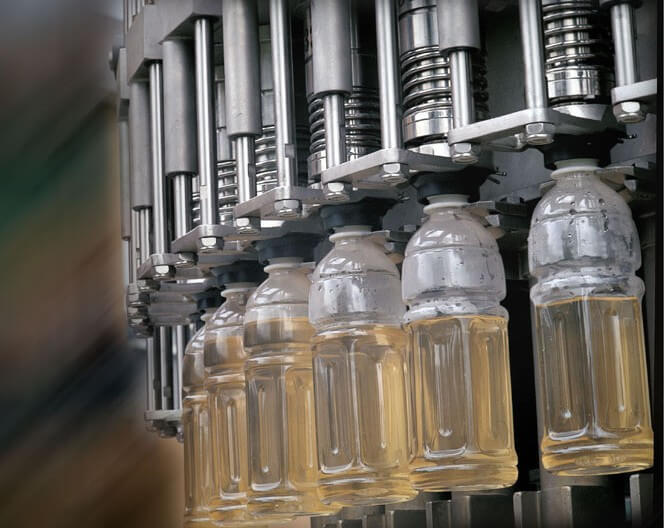
After sterilization, the tea beverage is transferred to the filling machine under hygienic conditions and filled into bottles, cans, cartons, or other suitable containers. The filling technology depends on the product characteristics, packaging format, and required shelf life.
For hot-filled tea beverages, the product is maintained at a high filling temperature, typically around 85–90℃, to achieve effective microbial control and package sterilization. After filling and sealing, liquid nitrogen dosing may be applied for specific packaging formats to reduce oxygen concentration in the headspace, improve package strength, and minimize oxidation of sensitive components such as tea polyphenols.
For aseptic filling systems, the sterilized tea beverage is usually cooled to the required filling temperature before entering the filling machine to protect tea flavor, aroma, and nutritional quality. To achieve commercial sterility, not only the beverage itself but also the filling equipment, product pipelines, and packaging materials must be effectively sterilized before production.
The aseptic filling system typically applies a combination of sterilization procedures, including:
- CIP (Cleaning in Place): Product-contact pipelines, tanks, valves, and pumps are cleaned using alkaline and acid cleaning solutions to remove organic residues, mineral deposits, and product contamination.
- SIP (Sterilization in Place): After CIP cleaning, product-contact equipment and pipelines are sterilized using steam or hot water to eliminate microorganisms before filling.
- Filling machine sterilization: The filling chamber, filling valves, and critical contact surfaces are sterilized using steam, hot water, hydrogen peroxide, UV light, or other validated sterilization methods depending on the filling technology.
- Packaging material sterilization: Packaging materials, including bottles, caps, cartons, and other containers, are sterilized before filling. For aseptic carton packaging, hydrogen peroxide sterilization combined with hot air drying is commonly used. For bottles and caps, sterilization methods may include hydrogen peroxide, UV treatment, hot water, or steam sterilization depending on the packaging system.
- Aseptic filling environment control: During aseptic filling, the filling zone is maintained as a controlled hygienic environment to prevent recontamination after sterilization. The filling room is designed with controlled temperature, humidity, and air quality. Typical conditions may include a temperature below 30℃, relative humidity below 70%, and sufficient air exchange to maintain the required cleanliness level. The actual cleanroom classification and operating parameters should be verified according to the filling equipment supplier’s design requirements and applicable food safety standards.
Through the combination of UHT sterilization, equipment sterilization, packaging sterilization, and controlled aseptic filling conditions, RTD tea beverages can achieve extended shelf life while maintaining stable flavor, color, and product safety.
RTD Tea Drinks pasteurizing and cooling machine
On hot-filled tea beverages, after filling and capping, the products usually pass through a secondary pasteurization and cooling system to improve package hygiene and ensure shelf life. The system mainly consists of a bottle inversion sterilization conveyor and a spray-type pasteurization cooling tunnel.
After capping, the bottles are inverted for approximately 30–60 seconds, allowing the hot beverage to contact the inner surface of the cap and bottle neck. The residual heat of the product provides additional sterilization of these critical areas.
The bottles then enter the spray cooling tunnel, where warm water is sprayed to maintain the required pasteurization temperature, followed by cooling water spray to gradually reduce the product temperature. This process helps prevent recontamination, improve package safety, and extend the shelf life of hot-filled tea beverages.