Condensed Milk Processing Line
Condensed Milk Processing Line Description
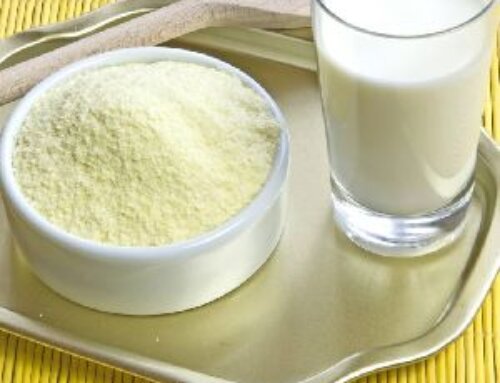
- Condensed milk is a milk product that is concentrated and sterilized and is characterized by storing for a long time. It can be divided into unsweetened condensed milk(concentrated milk), sweet condensed milk, and prepared condensed milk.
- The sweetened condensed milk formulation typically includes milk or recombined milk, sugar, and optional stabilizers. For cost optimization or texture adjustment, vegetable fat (such as palm oil) or anhydrous milk fat may be used in compound formulations. The evaporated milk formulation generally includes fresh milk or recombined milk, with stabilizer salts added to ensure heat stability during sterilization. Anhydrous milk fat may be used for fat standardization if required.
- Condensed milk processing uses fresh milk or recombined milk (from milk powder) as raw materials. The process typically includes standardization, heat treatment, evaporation, and, depending on the product type, crystallization (for sweetened condensed milk) or sterilization (for evaporated milk). After processing, the product is filled into containers such as cans or bottles, resulting in stable, high-quality condensed milk products with extended shelf life.
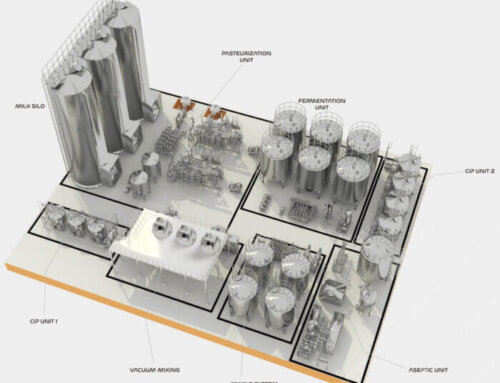
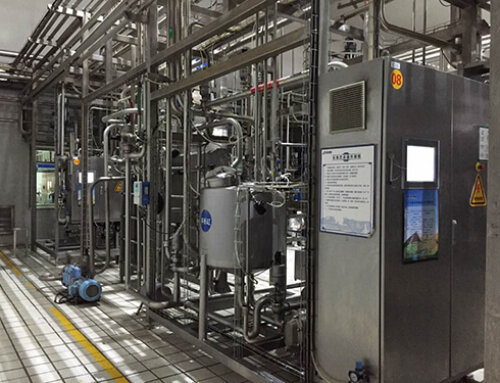
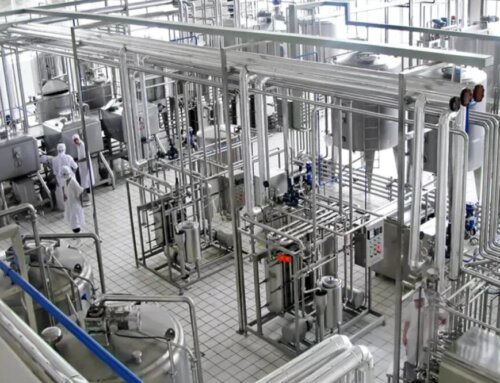
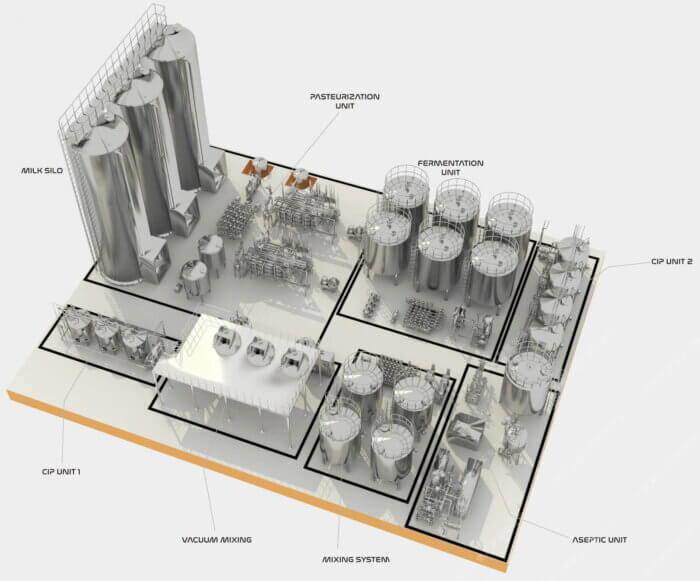
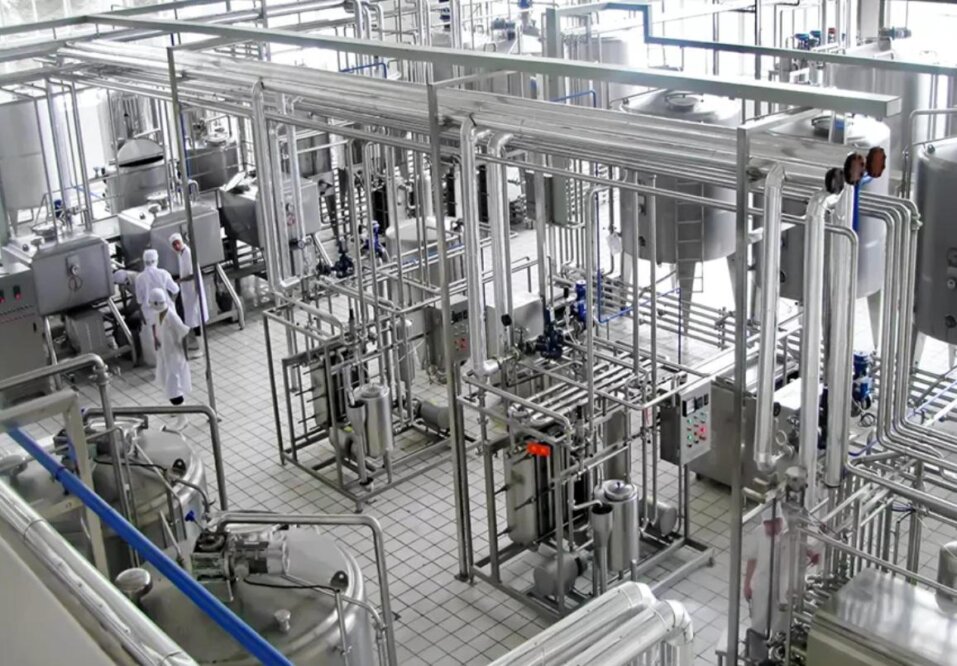
- Condensed milk processing machines include fresh milk receiving system, milk standardization system, milk pasteurizer, milk powder dissolving system, sugar dissolving system, milk evaporation system, milk crystallization system(for sweet condensed milk), condensed milk canning system, metal can retort sterilizing system(for evaporated condensed milk), metal cans packing system, RO water treatment system, hot water generating system and CIP system.
- The capacity of condensed milk processing is from 2 tons/day to 100 tons/day, and the condensed milk products are typically filled into metal cans, aseptic cartons, tubes or bottles. The end product’s shelf life can reach 18-24 months under the ambient temperature.
- The whole condensed milk processing plant is fully customized and flexible to meet different client requirements, one processing line can use both fresh milk or milk powder as raw materials to make both sweet condensed milk and light condensed milk products.
- The condensed milk processing machines are made of SUS304 material, which can ensure the end products meet food-grade requirements.
Condensed Milk Processing Type and End Package
Sweet condensed milk: It is basically concentrated milk to which sugar has been added. The product is yellowish in color and looks like mayonnaise. The high sugar concentration in sweetened condensed milk increases the osmotic pressure to such a level that most of the microorganisms are destroyed. The sugar concentration in the water phase must not be less than 62.5% or more than 64.5%. The sweet condensed milk can be filled into 300kg bulk drums, 500g-3000g metal cans, four sides sealed sachets.
Light condensed milk: It is also called double concentrated milk, it is typically made by evaporating about 60% of the water from fresh milk. It is a sterilized product, light in color and with the appearance of cream. The product is made from whole fresh milk, skim milk or recombined milk with skim milk powder, anhydrous milk fat (AMF) and water as typical ingredients. The concentrated milk can be filled into metal cans, sachets, bottles, or carton boxes containers.
Prepared condensed milk: It is to add different ingredients or food additives (food additives, nutritional fortifiers) to the condensed milk to adapt to different uses and taste needs.

Condensed Milk Production Process
Concentrated milk production process: Fresh milk or recombined milk (from milk powder) is first standardized and pasteurized, then pumped into the evaporator for concentration. After reaching the desired solids content, the concentrated milk is homogenized to ensure uniform texture and stability. The end product is then filled into metal cans and transferred to a retort sterilization system for in-container sterilization, ensuring a long and stable shelf life. After sterilization, the finished products are cooled to room temperature and stored in a cool, dry warehouse.

Sweet condensed milk production process:Fresh milk or recombined milk (from milk powder) is first heat-treated and then pumped into the evaporator for concentration. During the evaporation process, sugar syrup is continuously added and mixed with the milk to achieve the desired dry matter content. After concentration, the sweetened condensed milk is cooled under controlled conditions to promote lactose crystallization in a saturated solution, ensuring a smooth texture and preventing graininess. Once crystallization is completed, the finished product is filled into suitable packaging formats such as metal cans, bottles, or tubes.

Condensed Milk Processing Machine Introduction
Milk pretreatment system
Milk pretreatment system mainly refers to fresh milk receiving system, milk powder recombining system (if using milk powder as raw materials), milk fat standardization system, and milk heat treatment system.
Fresh milk receiving system refers to fresh milk after weighing and chemical checking, then stored in milk cooling tanks.
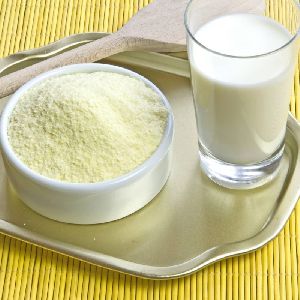
The milk powder recombining system will use a water powder mixer to dissolve milk powder in water to make the milk powder into the reconstituted milk, the ratio of milk powder and water is 1:8 when dissolving.
The milk standardization system is mainly for standardizing milk fat and milk dry matter in setting ratio, after the milk standardization, the fat and dry matter ratio is 1:2.25.
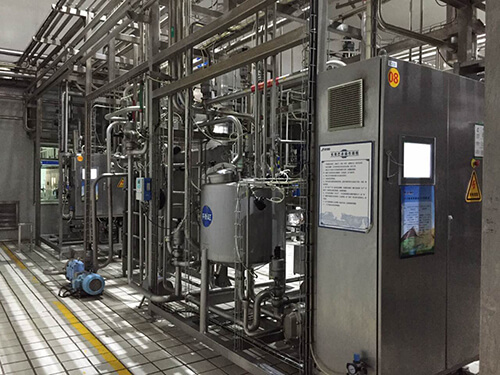
Milk heat treatment is pumping fresh milk into the plate or tubular sterilizer, and the heat treatment formula will be 100-120℃ for 60S. After heat treatment, the whey protein in milk will be inactive and achieve the desired viscosity.

Fresh milk evaporator
Milk evaporation is a key process in condensed milk production, where approximately 60%-80% of the water is removed from fresh milk under vacuum conditions at 60–70°C, resulting in thick, shelf-stable dairy products. This low-temperature evaporation helps preserve nutritional value and flavor.
During the evaporation process, the final total solids content varies depending on the product:
—For concentrated milk, the milk is typically evaporated to around 28°Brix from 12 Brix.
—For sweetened condensed milk, it is concentrated to approximately 70–74°Brix. After concentration, the sugar concentration in the liquid phase exceeds 62.5%, which effectively inhibits microbial growth in the final product. The total sugar addition is generally controlled within the range of 40%–50% to ensure product stability and desired sweetness.
For industrial milk evaporation, the most commonly used equipment includes the Falling Film Evaporator and the Coil Type Evaporator, selected based on production capacity and process requirements.
—For small-scale production or when batch processing is acceptable, the coil-type evaporator is an ideal choice. It requires lower initial investment and, due to its longer residence time during evaporation, can enhance the cooked or caramelized flavor of the final condensed milk product.
—For large-scale industrial production, the falling film evaporator is preferred. It enables continuous operation, offers higher efficiency, and ensures consistent product quality, making it more suitable for high-capacity milk concentration processes.

Condensed milk homogenizing and cooling
After the milk evaporation, it will be pumped into the high-pressure homogenizer, under 15-20Mpa pressure, and the concentrated milk will be homogenized.
After milk is homogenized, both condensed milk or concentrated milk need to cool down to 14-18℃.

Sweet condensed milk crystallization machine
During the crystallization process in sweet condensed milk production, the concentrated milk and sugar solution is cooled to 15℃, encouraging the sugar molecules to form crystals. This cooling process can be facilitated through various methods such as chilling tanks or evaporators. As the temperature decreases, sugar molecules begin to arrange themselves into crystalline structures, gradually thickening the mixture. The size and uniformity of the crystals play a significant role in determining the texture and quality of the final product.
The crystallization process is undertaken in a ribbon-type mixer crystallization tank, usually, it takes about 3-8 hours to form about 10μm crystals, as the sweet condensed milk is in high viscosity, so the agitator in the crystallization tank needs to be durable, strong and solid.

Condensed milk metal can filling machine
Both sweet condensed milk and evaporated milk will be filled into the metal cans. The condensed milk filling machine adopts rotary plunger filling, which has accurate measurement and is suitable for filling high-viscosity materials.
For the evaporated milk, after filling into the cans, the cans need to be transferred to a retort sterilizer for the secondary sterilizing (120℃ holding for 15 minutes) to obtain a stable shelf life.