Coconut Water Processing Description
The coconut water is extracted from tender coconut fruits and coconut water is fat-free and rich in vitamins and minerals, it is an ideal electrolyte drink for the human body to replenish water.
The coconut water can be produced into the pure coconut water, sparking coconut water, coconut beverage, concentrated coconut water according to the client’s requirements. We offer a flexible option for coconut water processing projects.
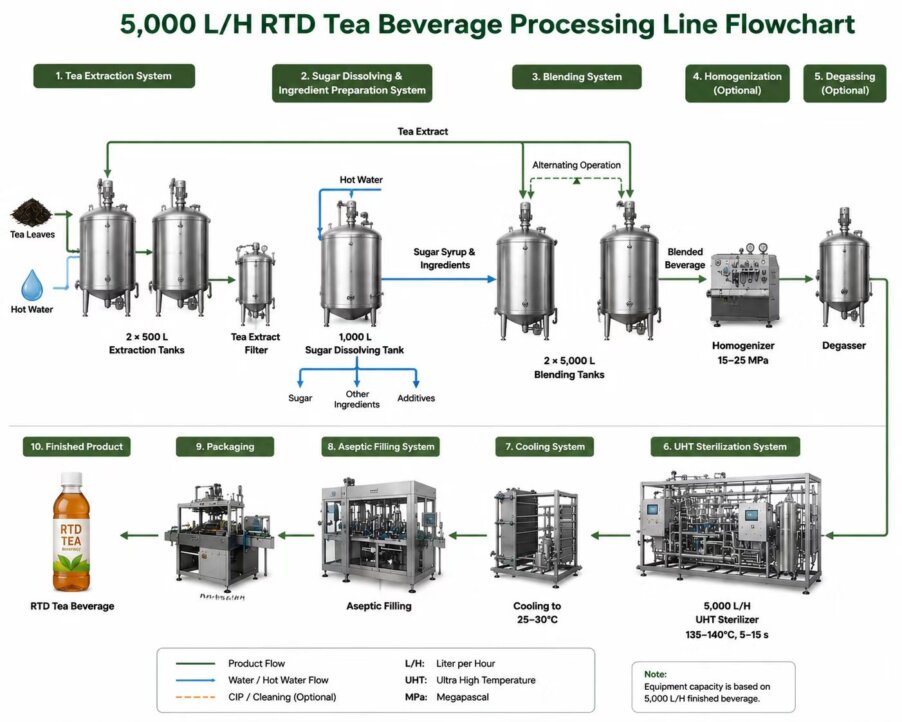
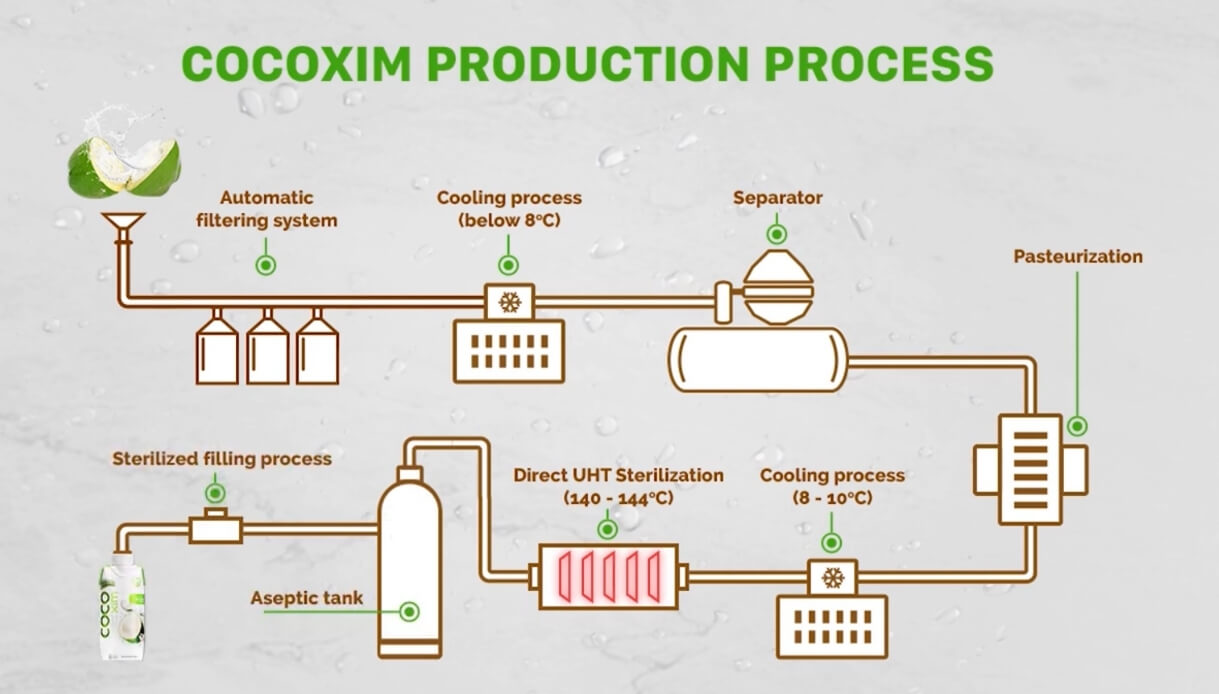
The coconut water production process involves selecting and harvesting young green coconuts, drilling a hole to extract the clear liquid, filtering and cooling the coconut water, fat separating coconut water, adding preservatives and flavored agent(if desired), sterilizing, coconut water and CO2 mixer(for sparking coconut water production), bottling or canning the product in a sterile environment, and finally, labeling and distributing it to retailers for consumption as a refreshing and hydrating beverage.
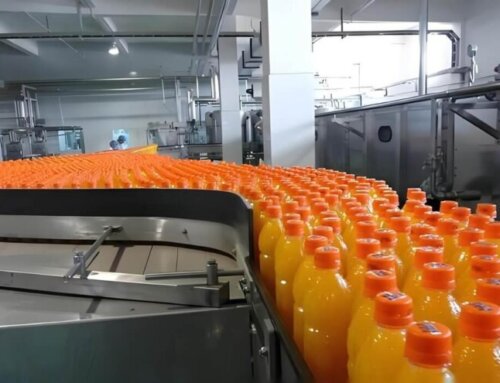
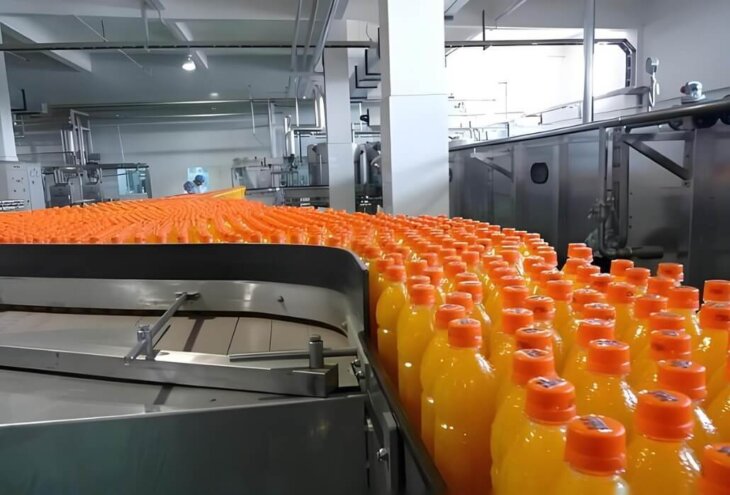
The coconut water can be packed into metal cans, PET/glass bottles, Tetra Pak aseptic cartons, and aseptic bags, and the capacity of the coconut water processing plant is from 500L/H to 10000L/H available for clients to choose from.
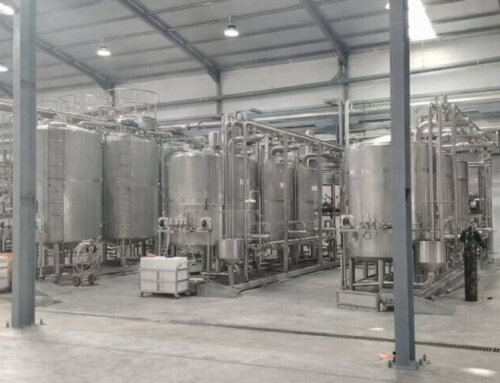
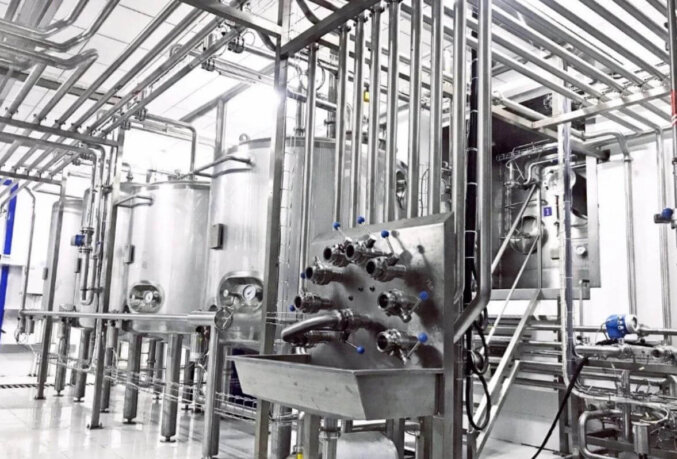
Coconut water is a fragile product, so when it is extracted from coconuts, it needs to be cooled down to 4℃ or pasteurized instantly and stored in fully closed stainless steel tanks to prevent liquid oxidation and deterioration.
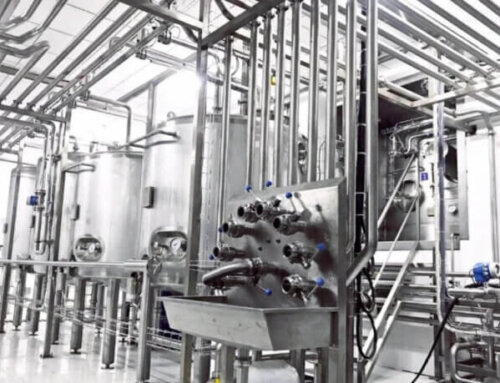
The coconut water processing machine is made of SUS304 material and the whole system will equip the CIP system to keep all the processing machines in hygienic condition.
Coconut Water Processing Machine Introduction
Coconut water extracting system
Coconut water is extracted from tender or mature fresh coconuts, and for high-quality RTD coconut water, the best is to choose young tender coconuts. There are two methods for extracting coconut water.
The first method is that one sharp stainless steel drill is fixed on the platform, and under the platform, there is one coconut water receiving vat. Coconut water is obtained by drilling a hole near one of the three eyes of the coconuts where the coconut shell and meat is the thinnest. It is designed to minimize contamination and streamline handling.
The second method is cutting half of the fresh coconuts, and then coconut water is collected in the tank. This system is composed of one coconut elevator, coconut holding and cutting machinery and coconut water collecting tank. The fresh coconut is lifted by the elevator to the coconut holding and cutting device, where the sharp knives are installed, once the device detects the coconuts, it will cut the coconuts into halves and the coconut water will be collected after the cracking and cutting of the coconuts. This method has less hygiene condition than the first method but the labor intensity is lower.

Coconut water strainer and filter
When coconut shells are cracked to extract coconut water, small amounts of coconut fiber and coconut meat particles are often released and mixed into the liquid. To ensure product clarity, stability, and hygiene, a solid-liquid separation step is required to remove these coarse impurities. Several filtration and separation solutions can be applied depending on the production scale and product requirements.
A commonly used option is a sieve screen filter. In this system, coconut water passes through a fine mesh screen (typically 100–150 mesh), which retains particles larger than approximately 100–200 μm. The clarified liquid passes through the screen and is collected into a sanitary storage tank. This type of filter can be directly integrated into the production line, enabling continuous and efficient processing.
Another effective solution is a plate and frame filter. In this process, coconut water is pumped into the filter system and flows through filter cloths installed between plates. Solid particles are retained on the cloth surface, while the filtered coconut water is collected as the output. The filtration precision can be customized by selecting different filter cloth grades to meet specific product quality requirements.
When mature coconuts are used as raw material, the level of fibrous impurities is usually higher. In such cases, a scrape refiner (refining machine) can be installed before fine filtration. This equipment helps remove coarse fibers, coconut meat particles, and other suspended solids, significantly improving the clarity and stability of the final coconut water.
For higher separation efficiency or advanced product requirements, a disc stack centrifuge separator can also be applied. This system uses high-speed centrifugal force to separate fine solids and, if needed, fats from the coconut water. For manufacturers aiming to produce low-fat or zero-fat coconut water, a three-phase disc centrifuge is recommended to achieve more precise separation of water, solids, and oil fractions.

Coconut water prepasteurizing or cooling system
After the coconut water is filtered, it needs to be pasteurized or cooled down instantly. Whether the coconut water needs to be cooled or pasteurized depends on the processing capacity.
If for the small capacity, when the coconut water is collected and can be sterilized and packed in 5-8 hours, then the coconut water can be cooled to 4℃and stored in batch tanks. We can either use the plate cooler to quickly cool down the water or use the jacketed tank feeding chill water to cool down the coconut water in the tanks.
If the coconut water needs to be stored in tanks for more than 12 hours or one day for subsequent processing and packing, then the prepasteurization is preferred to use, the main purpose is to inactivate the enzymes in coconut water and avoid the oxidation. The plate pasteurizer is for the heat treatment of coconut water and after pasteurization, the coconut water will be cooled down to 4-10℃ and kept in the insulation tanks.

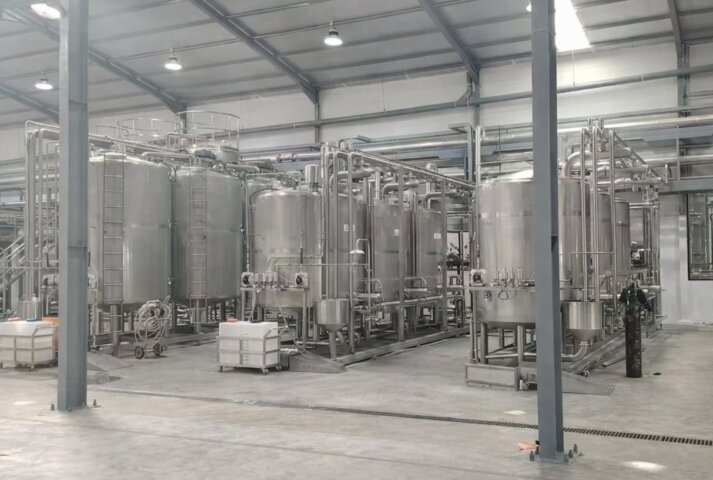
Coconut water standardizing tank
To maintain consistent flavor, sweetness, nutrient composition, and product quality between different production batches, a coconut water standardization tank is an important part of the coconut water processing line.
During the standardization process, coconut water can be adjusted according to the product specification by controlling parameters such as Brix, acidity, and ingredient concentration. Depending on the final product formulation, ingredients such as sugar, minerals, vitamins, or flavor agents can be added and evenly mixed in the tank.
The standardization tank is equipped with a sanitary agitator to ensure uniform mixing, a manhole for ingredient addition and inspection, and a sampling valve for quality control and product consistency testing. The tank is manufactured with food-grade stainless steel and can be integrated with CIP cleaning systems for hygienic operation.

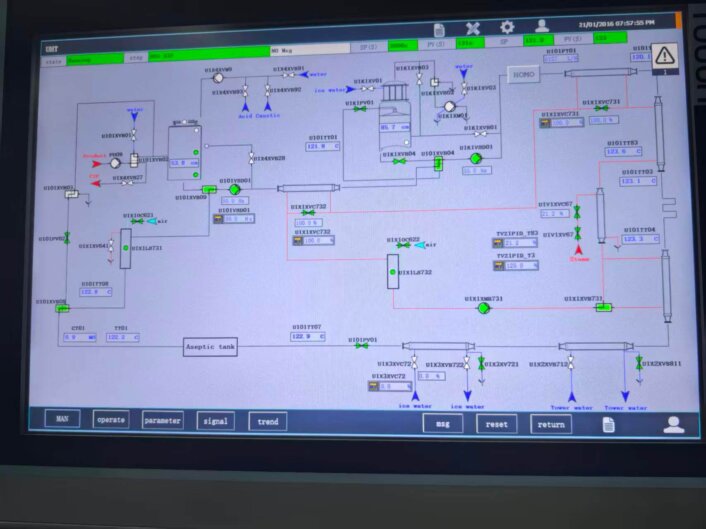
Coconut water sterilizing and filling system
As a highly perishable natural beverage, coconut water requires appropriate preservation technology to maintain product safety, freshness, and quality. In industrial coconut water processing plants, several sterilization and pasteurization technologies are commonly applied according to the target market, shelf life requirements, and packaging methods.
1. UHT Sterilization with Aseptic Filling
The most common solution for long shelf-life coconut water production is UHT sterilization combined with aseptic filling technology. UHT systems can be divided into indirect heating systems (such as tubular UHT sterilizers) and direct heating systems (DSI, Direct Steam Injection).
The coconut water is rapidly heated to achieve commercial sterility and then aseptically filled into brick cartons, aseptic bottles, or aseptic bags. Due to the short heating time and controlled thermal impact, UHT aseptic processing helps preserve the natural flavor, color, and nutritional characteristics of coconut water while enabling ambient storage.
2. Hot Filling and In-Container Pasteurization
Another common method is hot filling combined with in-container pasteurization. After pasteurization, the coconut water is hot filled into containers such as PET bottles, glass bottles, or aluminum cans. The sealed packages are then processed through a spray pasteurization tunnel or retort sterilizer to ensure product safety.
This technology is widely used for commercial coconut water beverages and is suitable for products with different formulations, including beverages containing added water, sugar, flavors, or other ingredients.
3. HPP (High Pressure Processing) Treatment
High Pressure Processing (HPP) is a non-thermal preservation technology used for premium fresh coconut water products. After extraction, filtration, and standardization, coconut water is filled into suitable plastic bottles or flexible packages and then treated under high pressure, typically 400-600 MPa, to reduce microorganisms while maintaining fresh flavor and nutritional quality.
Since HPP avoids heat treatment, it provides a fresh-like taste and is mainly used for premium refrigerated coconut water products targeting health-conscious consumers. However, HPP products require cold-chain storage because the process does not achieve commercial sterility.
The optimal coconut water preservation method depends on the desired shelf life, packaging format, production capacity, distribution conditions, and target market.