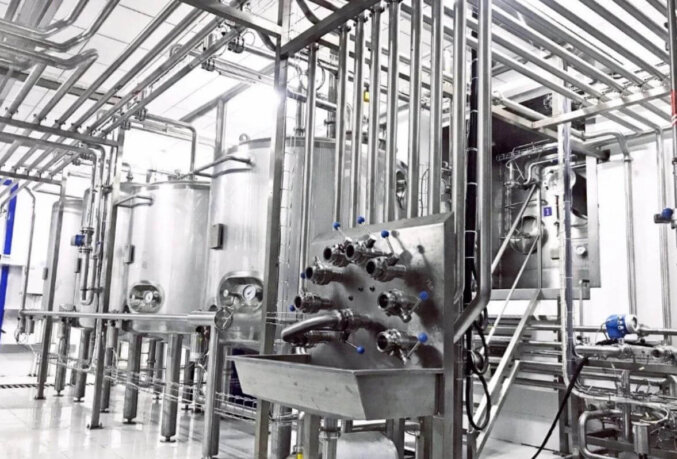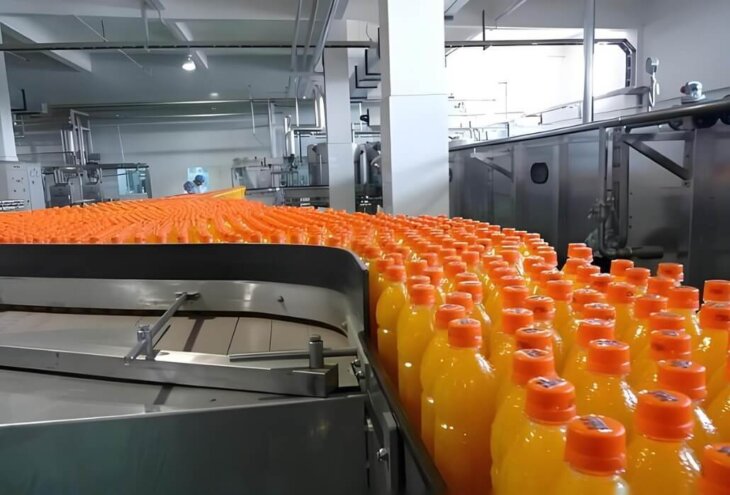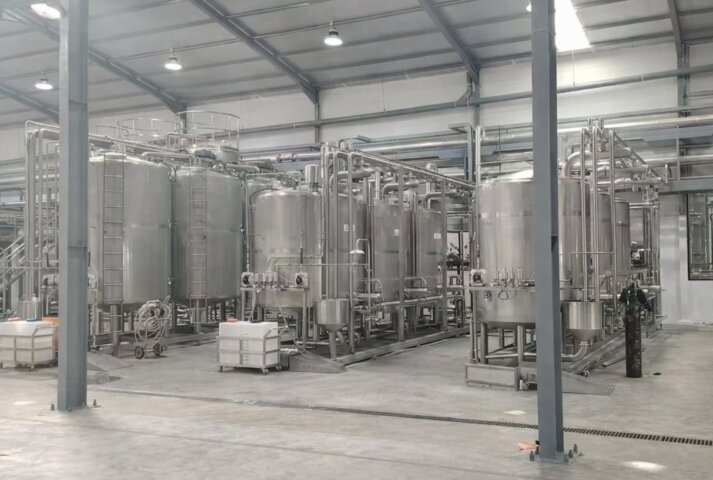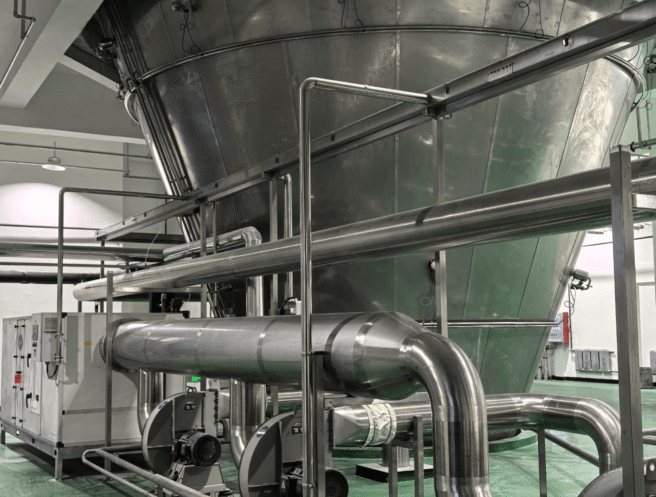
A fruit processing plant transforms fresh fruits into safe, high-quality products such as fruit juice, puree, concentrate, jam, nectar, and fruit beverages. Whether processing mangoes, apples, oranges, pineapples, berries, tomatoes, or tropical fruits, the production process follows a series of carefully controlled steps designed to maximize product quality, food safety, and production efficiency.
Modern fruit processing plants use automated equipment, hygienic design, and advanced control systems to reduce labor costs, increase yield, and ensure consistent product quality.
If you are planning to invest in a fruit juice processing plant, choosing the right fruit juice processing machine supplier is essential to the success of your project. Before purchasing equipment, it’s important to understand the production process, equipment selection, capacity planning, and other key considerations. Below are answers to the most frequently asked questions about fruit juice processing plants to help you make a confident decision.
Q: What machines are involved in fruit processing plant?
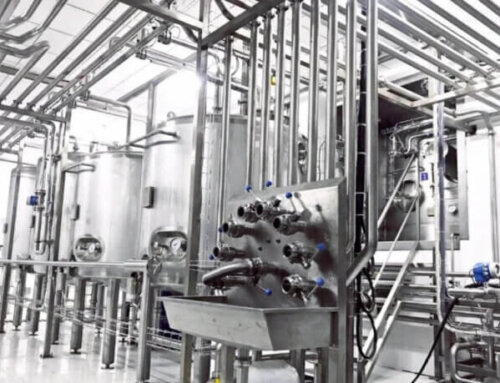
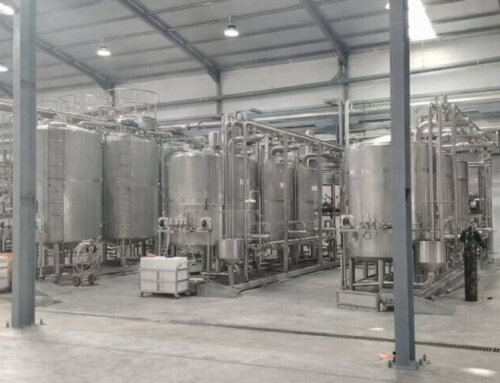
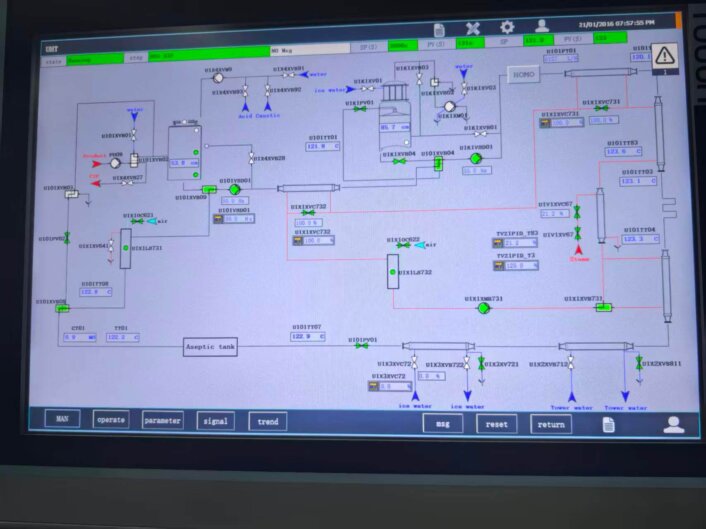
A: The fruit processing plant is mainly involved in fruit washing and sorting machines, fruit cutting, peeling, crushing, destoning machines, fruit pulping/juicing machines, juice enzyme treatment, juice separating and filtration system, juice evaporators, homogenizer, sterilizer and degassing system and filling machines.
Q: What is your capacity for the fruit processing machine?
A: Our fruit processing machines are designed for industrial-scale production rather than home or small-scale use. Depending on the type of fruit and processing requirements, the available capacity ranges from 500–1,000 kg/h for entry-level production lines up to 30–50 tons/h for large-scale industrial plants.
The stated capacity refers to the fresh fruit or vegetable feeding (input) capacity, not the finished product output, which may vary depending on the product type, processing method, and yield. We can also customize the production line to meet your specific capacity and production requirements.
Q: What end products can be produced from fresh fruits and vegetables?
A: Fresh fruits and vegetables can be processed into a wide variety of value-added products, depending on the raw material and market demand. The most common end products include juice, puree, paste, concentrate, powder, dried fruit, and frozen products.
Examples include:
- Fruit juices: Apples, pears, oranges, pomegranates, watermelons, pineapples, grapes, and citrus fruits are commonly processed into clear or cloudy juices.
- Purees and pastes: Mangoes, tomatoes, bananas, peaches, guavas, berries, and other soft fruits are often processed into purees or pastes for use in beverages, dairy products, baby food, sauces, and bakery applications.
- Fruit juice concentrates: Many fruits, such as apples, oranges, grapes, and pineapples, can be concentrated to reduce transportation and storage costs.
- Fruit powders and flakes: Bananas, coconuts, ginger, and various vegetables can be processed into powders or flakes through dehydration or spray drying.
- Dried fruit products: Mangoes, pineapples, apricots, plums, apples, and other fruits can be sliced and dried to produce healthy snack products.
- Frozen fruit products: Many fruits and vegetables can also be processed into frozen slices, cubes, or purees for long-term storage.
Before requesting a quotation, it is important to determine which end product you plan to manufacture, as the processing technology, equipment configuration, and production line design vary significantly depending on the final product. Our engineering team can recommend the most suitable processing solution based on your raw materials, production capacity, and product requirements.
Q: What is the yield rate for fruits and vegetable processing?
A: The juice or pulp yield varies depending on the type of fruit or vegetable being processed. Even within the same fruit, the yield can differ due to several factors, including:
- Fruit or vegetable variety
- Ripeness and maturity
- Freshness and raw material quality
- Processing method (such as whether thermal treatment is applied before extraction)
- Type and efficiency of the extraction equipment
- Desired final product (juice, puree, or concentrate)
Because these factors can significantly affect the extraction efficiency, there is no single yield rate that applies to all products. However, based on our extensive processing experience, we can provide an estimated juice or pulp yield range for your specific fruit or vegetable and recommend the most suitable processing equipment to maximize yield and product quality.
Q: What types of packaging can be used for the final fruit products?
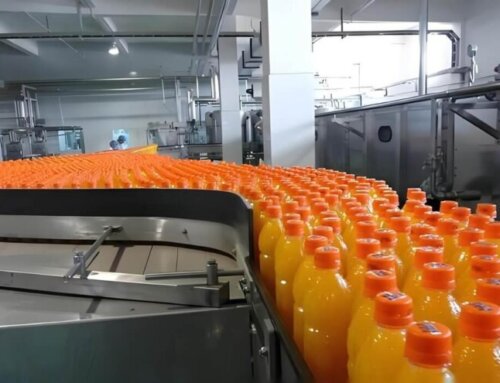
A: The packaging format depends on the type of product and its shelf-life requirements. We can provide complete processing and filling solutions for a wide range of packaging options, including:
- Ready-to-Serve (RTS) juice and Not-From-Concentrate (NFC) juice are commonly filled into:
- PET bottles
- Glass bottles
- Aseptic cartons
- Aluminum cans
- Plastic pouches
- Single-strength or concentrated fruit puree and fruit paste are typically packed in:
- Aseptic bags in drums (commonly 220 L)
- Plastic pouches
- Sachets
- Bag-in-box containers
- Fruit juice concentrate is usually filled into:
- 220 L aseptic bags in steel drums for industrial transportation and storage
- 3–5 L bag-in-box (BIB) containers for food service and commercial applications
The most suitable packaging solution depends on your product type, shelf-life requirements, target market, and distribution method. Our engineers can recommend the optimal filling technology and packaging format based on your specific project requirements.
Q: Can we process multiple fruits on one fruit production line?
A: That depends on the fruit’s feature, one genus of fruit can be processed on the same production line, such as citrus fruits( orange, tangerine, mandarine, kinnow, grapefruit) can proceed in one line because they have same feature, so the processing flowchart is similar.
But if you want to proceed citrus fruit and mango fruits in one line, we do not suggest you do that, because these two fruits has big processing difference, very little equipment can be shared. Citrus needs to peel, remove seeds, juice extracting machine, and mango needs to peel, destone, pulping machine, it takes big efforts to integrate the two fruits.
But some fruits like tomato and mango, although there are belong to different attribution, as their processing flowchart is similar, so it is feasible to process these two fruits in one production line by adding equipment.
In all fruits with the same attributes can be processed on the same production line; fruits with large attribute differences are recommended to be processed separately.
Q: What is the shelf life of the end products(fruit juice/paste/puree)?
A: The fruit juice/puree/paste/sauce shelf life is a complicated issue, it is related to many factors, including the PH value of the final product, packaging containers, sterilization process, storage method, whether to add antioxidants, etc. For more detailed information, please check this article.
The end product’s shelf life is from 15 days to 24 months according to the actual production flowchart and storage conditions.
Q: How much does a fruit juice processing plant cost?
A: The cost of a fruit juice processing plant varies significantly depending on your specific production requirements. There is no fixed price, as each project is customized based on factors such as:
- Production capacity (e.g., 500 kg/h to 50 tons/h)
- Type of end product (juice, NFC juice, concentrate, puree, or paste)
- Fruit variety and processing technology
- Packaging type (PET bottles, glass bottles, cans, aseptic cartons, pouches, bag-in-box, etc.)
- Level of automation (semi-automatic or fully automatic)
- Equipment configuration and material specifications
- Utility systems (steam boiler, water treatment, air compressor, CIP system, etc.)
- Local standards and certification requirements (CE, FDA, HACCP, etc.)
As a general reference, the investment for an industrial fruit juice processing plant typically ranges from USD 100,000 for a small-scale production line to over USD 10 million for a fully automated, large-capacity turnkey plant.
To provide an accurate quotation, we recommend that you share the following project information:
- The fruit(s) you plan to process
- Required production capacity
- Desired end product(s)
- Preferred packaging format
- Target market and applicable standards
- Available utilities and factory layout (if available)
Based on your requirements, our engineering team will recommend the most suitable processing solution and prepare a customized technical proposal and commercial quotation.
Q: How many areas do we need to contain the fruit processing plant?
A: The area also relates to your production line capacity, end products, packing container, automatic degree, and end products. The workshop should include the following area: fruit processing machines area, raw materials storage area, finished products storage area, packing material storage area, visiting area, staff and material flow passage area. Generally speaking, one 5000kg per hour mango pulp processing plant workshop area needs about 1200-1500m^2.
Q: What Auxiliary equipment do we need to run the fruit processing plant?
A: When we run the fruit processing line, we need clean water, steam, compressed air and cooling water. Clean water for washing fruits, steam to heat water to sterilize the juice, compress air is used for pneumatic component action execution, cooling water or chill water to cool down the juice/paste. So we need RO water treatment system, fuel oil/gas boiler, air compressor, cooling tower and water chiller.
Q: What is the material of your fruit processing machines?
A: All the machines that contact juice/paste/sauce are made of SUS304/316L food-grade material.
Q: What service do you offer after we buy your fruit processing machines?
A: After the machine is finished making, we will look for the shipping forwarder to deliver the goods to your factory, then you prepare the water, electricity, steam and compressed air, and our after service engineers team will travel to your site for machine installation, commissioning and trainee. Until you accept and confirm the service and our engineer’s team can leave.
Q: What is the warranty of your fruit processing machine?
A: After the machine arrived to your site, all machines will enjoy 12 months warranty, during this time, if the machine breaks down or need to replace the spare parts, we offer free debugging and fixing service along with the spare parts. After 12 months, we still offer paid repair service, replacement parts and free consult service. When we receive an after-sales service order, our after-sales service team will respond and deal with it within 24 hours.