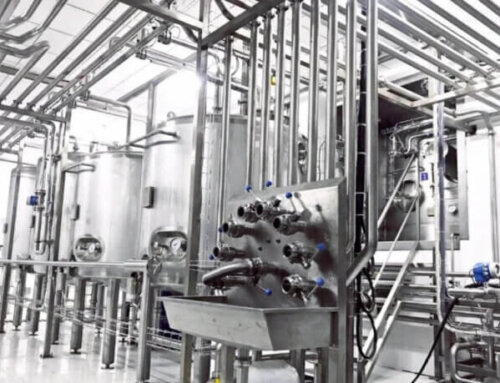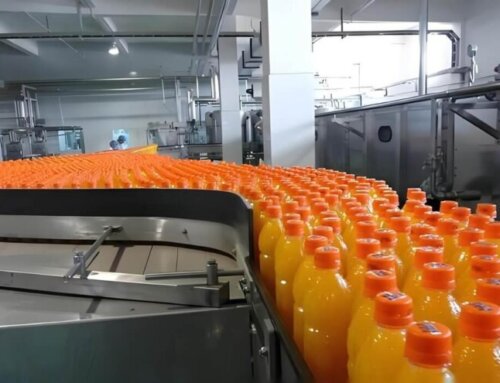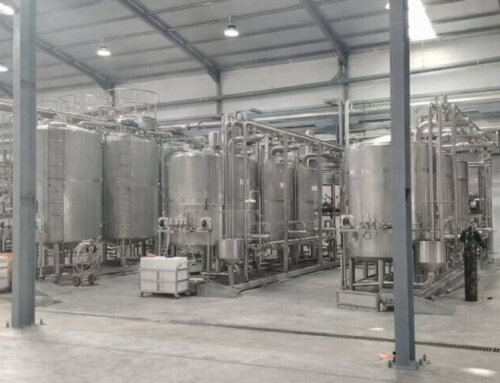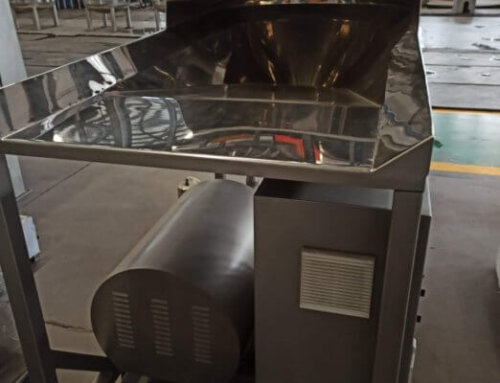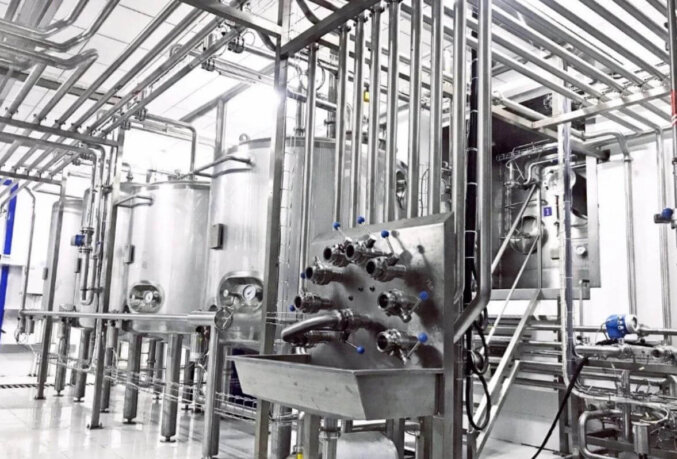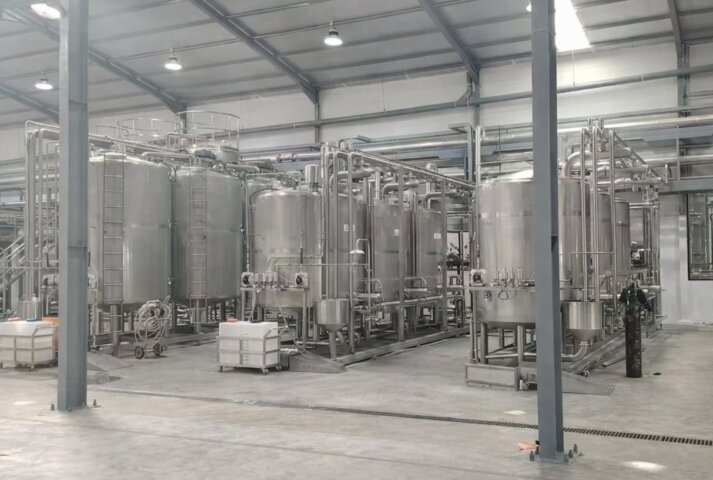
In milk powder processing, plant-based milk powder, whey powder and infant formula processing industries, evaporators and spray drying towers are core equipment that directly affect product quality, energy consumption, operational safety, and long-term plant stability. We have established strong competitiveness through advanced engineering design, proprietary technologies, and strict manufacturing standards.
This article outlines the key technical advantages of our evaporators and spray drying towers, focusing on reliability, energy efficiency, environmental compliance, and operational safety.
Falling Film Evaporators
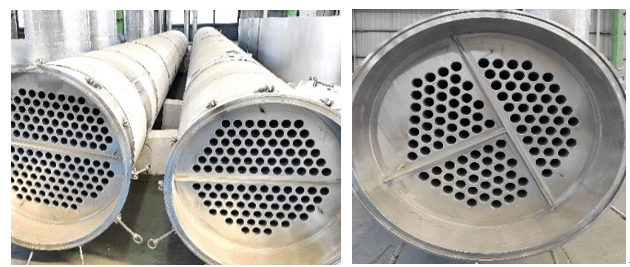
Dual Expansion and Welding Design for Falling Film Evaporators
Falling film evaporators are widely used in milk and fruit juice concentration. However, many manufacturers still rely on welding-only connections between film tubes and tube sheets, which poses significant leakage risks in large-scale evaporators.
Due to tall effect bodies, long film tubes, and dense tube bundles, evaporators experience frequent thermal expansion and contraction during start-up, shutdown, and continuous operation. These thermal stresses can pull welded joints apart, leading to vacuum loss and product leakage into the heating shell side.
We adopts a dual-process connection combining mechanical expansion and welding. Expansion grooves are precisely machined into the tube sheet, allowing film tubes to be mechanically expanded and locked before welding. This structure effectively absorbs axial stress, protects the weld seam, and ensures long-term vacuum integrity. As a result, leakage risk is significantly reduced and evaporator reliability is greatly enhanced.
Spray Drying System
Advanced Spray Drying System Optimization
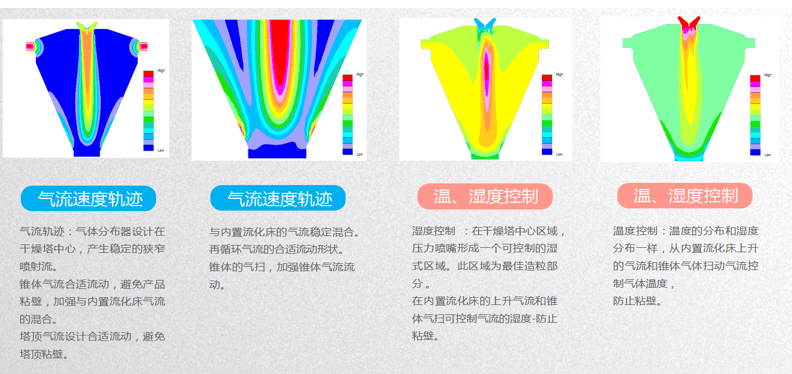
We have assembled a professional spray drying engineering team by integrating former GEA experts with leading domestic specialists. By fully assimilating advanced international spray drying technologies and combining them with modern computer simulation and extensive engineering experience, we have developed highly optimized spray drying systems.
Key design objectives include:
- High thermal efficiency
- Low system resistance
- Stable powder quality
- Hygienic and safe operation
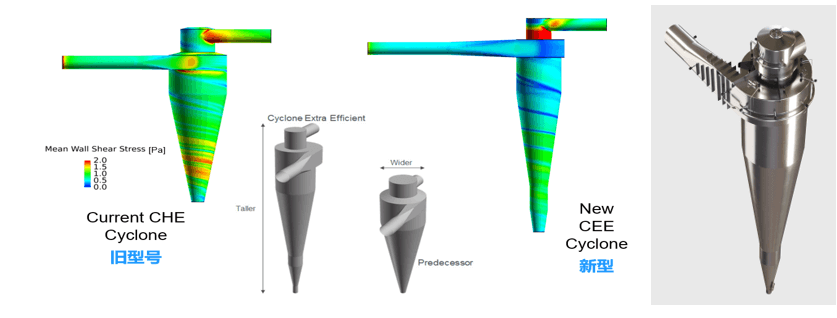
Core technologies include an L-type low-resistance hot air distributor, solid-vibration fluidized bed sieve plates, and a high-efficiency CEE cyclone separation system. These innovations enable stable operation and high powder recovery efficiency across a wide range of dairy and plant-based powder applications.
Rational Capacity Design and True Evaporation Performance
The design capacity of a spray drying tower must be matched with evaporation volume, heating area, air volume, air pressure, and feed conditions. From an engineering standpoint, evaporation capacities typically follow standardized increments such as 500, 1000, 2000, 3000, 3500, 5000, and 10000 kg/h.
Some manufacturers promote non-standard models that consume the energy and power of a higher-capacity system while delivering lower output. We strictly adhere to rational capacity design principles, ensuring that rated evaporation capacity reflects real, sustainable production performance rather than theoretical figures.
Excellent Energy Efficiency and Low Steam Consumption
Energy efficiency is a key performance indicator for spray drying towers. In the industry, steam consumption of 2.5–3.0 kg per kg of evaporated water is generally considered good.
Through optimized airflow design, reduced system resistance, and precise energy matching, our spray drying towers can achieve steam consumption as low as 2.02 kg/kg. For a 3500 model spray drying tower, steam consumption can be limited to approximately 7.05 tons per hour, significantly reducing long-term operating costs.
Advanced Exhaust Air Heat Recovery for Sticky Powders
Exhaust air heat recovery is essential for further reducing energy consumption, especially in large-scale spray drying systems. However, many conventional designs suffer from severe blockage issues when handling sticky materials such as soy powder.
We adopts advanced U.S. heat exchanger technology featuring anti-sticking dimpled plates and newly developed structures specifically designed for sticky powders. Combined with automatic online cleaning systems and multi-curve concave–convex plate technology, the heat transfer surface area is significantly increased, improving gas-to-gas heat exchange efficiency while maintaining stable long-term operation.
Environmental Compliance and Dust Emission Control
Environmental regulations increasingly require particulate emissions of ≤ 20 mg/m³, which is particularly challenging for soy powder and plant protein drying applications.
While conventional two-stage cyclone systems typically achieve only 90–120 mg/m³, we provide compliant solutions through the integration of high-efficiency CEE cyclones and online-cleaning bag filter chambers. Automatic pulse-jet cleaning systems ensure stable performance while minimizing manual operation and maintenance workload.
Comprehensive Fire and Explosion Safety Design
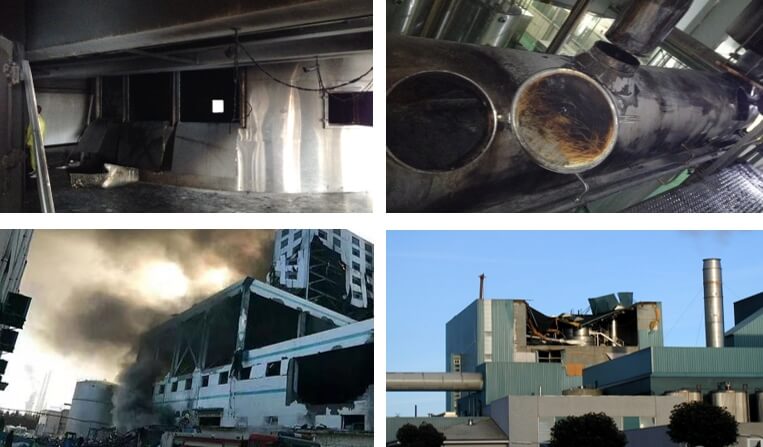
Fire and explosion risks are often underestimated in spray drying systems. We implement multiple layers of operational safety design, including:
- Powder level sensors at cyclone discharge points to prevent blockage and electrostatic hazards
- Over-temperature monitoring with interlocked automatic water spray systems
- Predictive alarms and real-time system monitoring
These measures significantly reduce fire risk and ensure safe, stable operation under demanding industrial conditions.
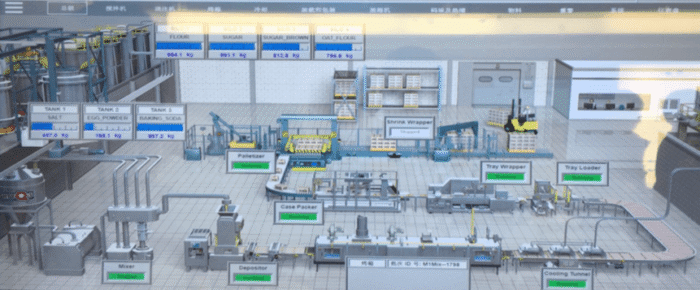
Integrated Automation and Control System
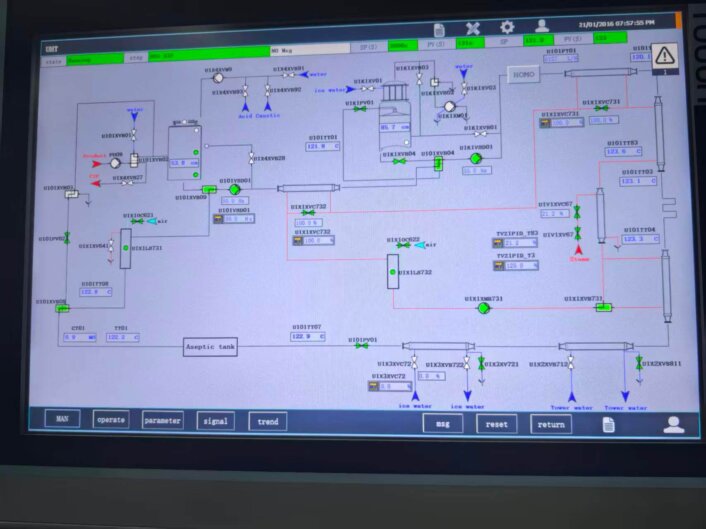
We possess strong in-house automation design capabilities supported by registered software copyrights covering dairy production, sterilization, CIP, fermentation, and powder handling systems.
All human–machine interfaces use genuine Siemens WinCC licenses, with one license per machine. Core automation components and instruments are sourced from internationally recognized brands, ensuring long-term reliability, accurate process control, and ease of maintenance.
Conclusion
The true competitive advantage of evaporators and spray drying towers lies in engineering depth, system optimization, and long-term operational reliability. Through dual-process evaporator design, advanced spray drying system optimization, energy-saving technologies, environmental compliance solutions, and comprehensive safety measures, We deliver equipment that performs reliably in real industrial environments.
For dairy, beverage, and plant-based food processors seeking stable production, low operating costs, and reduced risk, our evaporators and spray drying towers provide a solid and sustainable technical foundation.